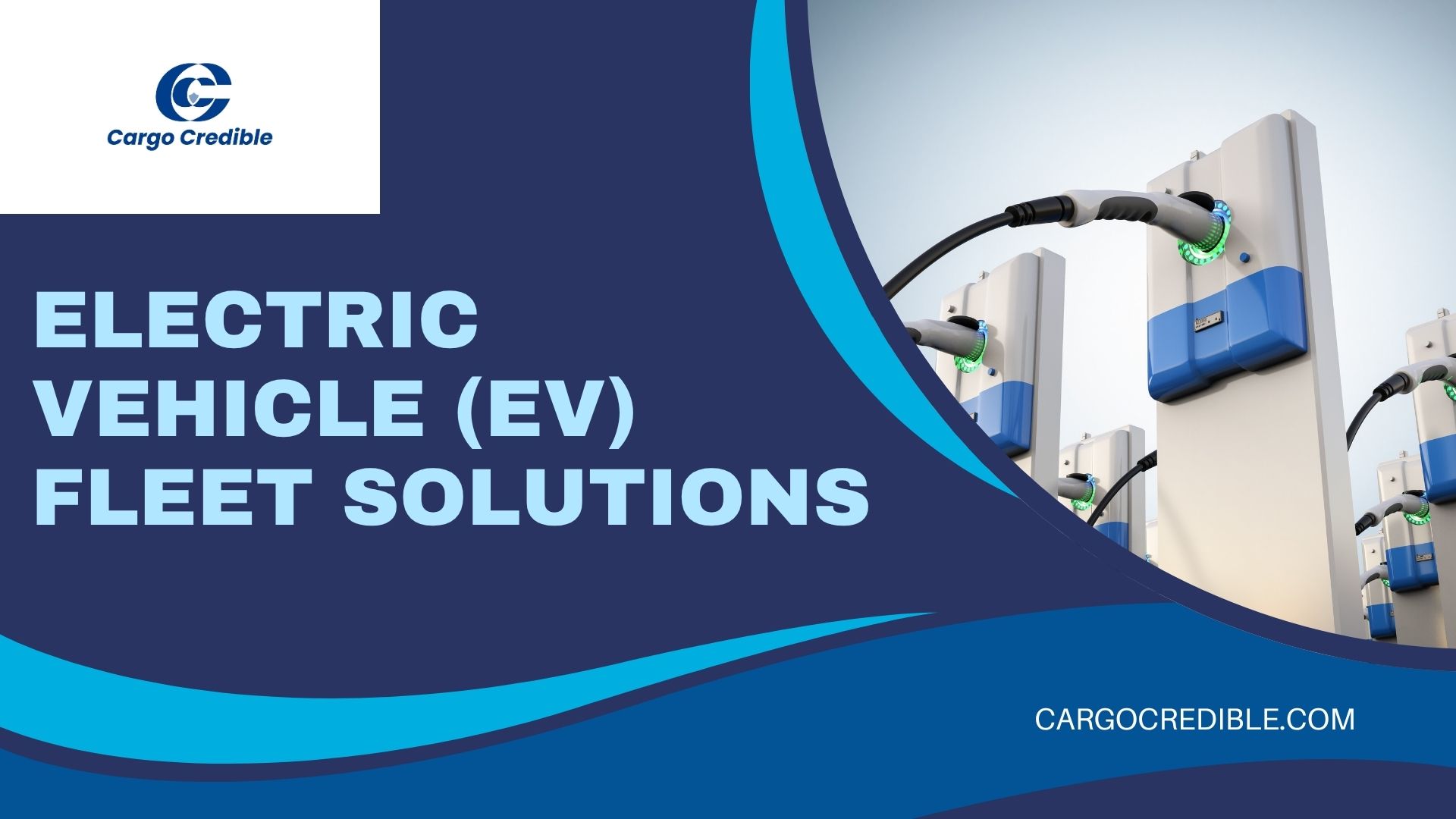
What Are Electric Vehicle (EV) Fleet Solutions?
Electric Vehicle (EV) Fleet Solutions are the technologies, infrastructure, software platforms, and operational strategies that help trucking companies transition from diesel-powered trucks to electric trucks while maintaining efficiency, profitability, and service reliability. These solutions cover everything from charging infrastructure and battery management to route planning, telematics, fleet analytics, maintenance, and energy management. Their primary goal is to ensure electric trucks can operate efficiently while reducing fuel costs, emissions, and operational downtime.
Key EV Fleet Solutions and Their Contributions
1. Electric Trucks (Battery-Electric Vehicles)
Electric trucks replace traditional diesel engines with battery-powered drivetrains.
Contribution to Trucking:
- Reduce fuel expenses by using electricity instead of diesel.
- Lower greenhouse gas emissions.
- Reduce engine-related maintenance costs.
- Provide quieter operation for urban and residential deliveries.
- Help fleets meet sustainability goals and emissions regulations.
Impact:
- Freight: Cleaner freight transportation.
- Drivers: Less vibration, noise, and fatigue.
- Carriers: Lower operating costs over time.
- Shippers: Easier compliance with sustainability requirements.
2. Depot Charging Infrastructure
Depot charging stations allow trucks to recharge when parked at terminals, distribution centers, or company yards.
Contribution to Trucking:
- Enables fleets to charge vehicles overnight.
- Reduces dependence on public charging networks.
- Improves vehicle availability.
- Supports predictable daily operations.
Impact:
- Carriers: Greater control over energy costs.
- Drivers: Trucks are ready at the start of shifts.
- Freight Operations: Fewer disruptions from fueling stops.
3. Smart Charging Management Systems
Smart charging software schedules and controls charging sessions across an entire fleet.
Contribution to Trucking:
- Prevents grid overload.
- Charges vehicles during lower-cost electricity periods.
- Prioritizes trucks with urgent dispatch schedules.
- Maximizes charger utilization.
Impact:
- Fleet Managers: Better visibility and control.
- Carriers: Lower electricity expenses.
- Operations Teams: Reduced charging bottlenecks.
4. EV Fleet Management Software
Fleet management platforms provide real-time monitoring of vehicle location, battery status, charging activity, and performance.
Contribution to Trucking:
- Tracks fleet health.
- Improves dispatch decisions.
- Monitors battery performance.
- Provides operational analytics.
Impact:
- Carriers: Improved asset utilization.
- Dispatchers: Better visibility into vehicle readiness.
- Drivers: More efficient trip planning.
5. Route Optimization Software
Electric trucks require route planning that accounts for battery range, charging availability, terrain, and payload weight.
Contribution to Trucking:
- Reduces range anxiety.
- Identifies optimal charging locations.
- Maximizes battery efficiency.
- Improves delivery reliability.
Impact:
- Freight: More predictable transit times.
- Drivers: Less stress regarding battery range.
- Brokers: Better shipment planning and scheduling.
6. Battery Monitoring and Management Systems
Battery management systems continuously monitor battery health, temperature, charging cycles, and performance.
Contribution to Trucking:
- Extends battery lifespan.
- Prevents unexpected failures.
- Improves safety.
- Optimizes energy consumption.
Impact:
- Carriers: Protects one of the fleet's most expensive assets.
- Drivers: Reduces breakdown risks.
- Maintenance Teams: Better planning for battery replacement schedules.
7. Telematics and Real-Time Vehicle Tracking
Telematics combines GPS, vehicle diagnostics, driver behavior monitoring, and battery analytics.
Contribution to Trucking:
- Tracks vehicle performance.
- Improves safety.
- Monitors energy consumption.
- Supports compliance reporting.
Impact:
- Drivers: Improved safety coaching.
- Carriers: Increased operational visibility.
- Brokers and Shippers: Better shipment tracking.
8. Predictive Maintenance Systems
These systems use AI and fleet data to identify maintenance needs before failures occur.
Contribution to Trucking:
- Reduces unplanned downtime.
- Improves vehicle uptime.
- Extends vehicle lifespan.
- Lowers repair costs.
Impact:
- Carriers: Higher fleet availability.
- Drivers: Fewer roadside breakdowns.
- Freight Customers: More reliable deliveries.
9. Renewable Energy Integration
Many fleets combine EV charging with solar power, battery storage, or renewable energy contracts.
Contribution to Trucking:
- Reduces energy costs.
- Improves sustainability performance.
- Protects against electricity price fluctuations.
Impact:
- Carriers: Greater energy independence.
- Shippers: Lower carbon footprint throughout the supply chain.
- Industry: Supports decarbonization goals.
10. Energy Management and Load Balancing
Energy management systems coordinate charging across multiple trucks while minimizing strain on electrical infrastructure.
Contribution to Trucking:
- Optimizes electricity usage.
- Delays costly grid upgrades.
- Improves charging efficiency.
Impact:
- Fleet Operators: Lower infrastructure costs.
- Utilities: More stable power demand.
- Operations Teams: Greater charging reliability.
How EV Fleet Solutions Affect the Trucking Industry
Freight Transportation
EV fleet solutions are making freight transportation cleaner, quieter, and more efficient. Urban delivery operations, regional haul routes, and dedicated freight lanes are increasingly suitable for electric trucks. Companies can reduce emissions while maintaining service levels.
Truck Drivers
Drivers benefit from:
- Quieter cabs.
- Reduced vibration.
- Smoother acceleration.
- Lower fatigue levels.
- Advanced vehicle technology and monitoring systems.
However, drivers must also adapt to charging schedules and range management.
Carriers and Fleet Owners
Carriers gain:
- Lower fuel expenses.
- Reduced maintenance requirements.
- Better fleet visibility.
- Improved sustainability credentials.
Challenges include higher upfront vehicle costs and charging infrastructure investments.
Freight Brokers
Brokers increasingly work with shippers that prioritize sustainable transportation. EV fleets help brokers:
- Secure environmentally focused customers.
- Support ESG initiatives.
- Offer lower-emission transportation options.
Shippers
Large shippers are under pressure to reduce supply-chain emissions.
EV fleet solutions help them:
- Meet corporate sustainability goals.
- Improve environmental reporting.
- Strengthen brand reputation.
Many shippers now favor carriers with emissions-reduction programs.
Why EV Fleet Solutions Matter
EV fleet solutions are not just about replacing diesel trucks with electric ones. They create an entire ecosystem that combines charging infrastructure, smart software, energy management, telematics, route optimization, and predictive maintenance. Together, these solutions help carriers reduce costs, improve efficiency, meet environmental regulations, and prepare for the future of freight transportation. While challenges such as charging infrastructure, battery costs, and long-haul range limitations remain, EV fleet solutions are becoming a central part of how modern trucking companies operate and compete.
Comments (0)
Leave a comment
Sign in to leave a comment.